
CONSTITUTIONAL CONVENTION X
Permanent Panels
Some questions don't get answered. They get revisited - by every generation, with new evidence, new stakes, and new voices.
CCX is how the Mesocratic Party governs itself. Every year, 5,000 elected delegates gather to set policy, ratify direction, and hold the party accountable to its members.
Most of what CCX debates will change year to year. That's the point.
But some questions are permanent. Not because we lack the courage to answer them — but because the founders of this republic understood that certain freedoms require constant tending. Leave them alone long enough, and they erode. Revisit them annually with a fully empowered constituency, and they strengthen.
The Permanent Panels are our standing commitment to that work.
What Is a Permanent Panel?
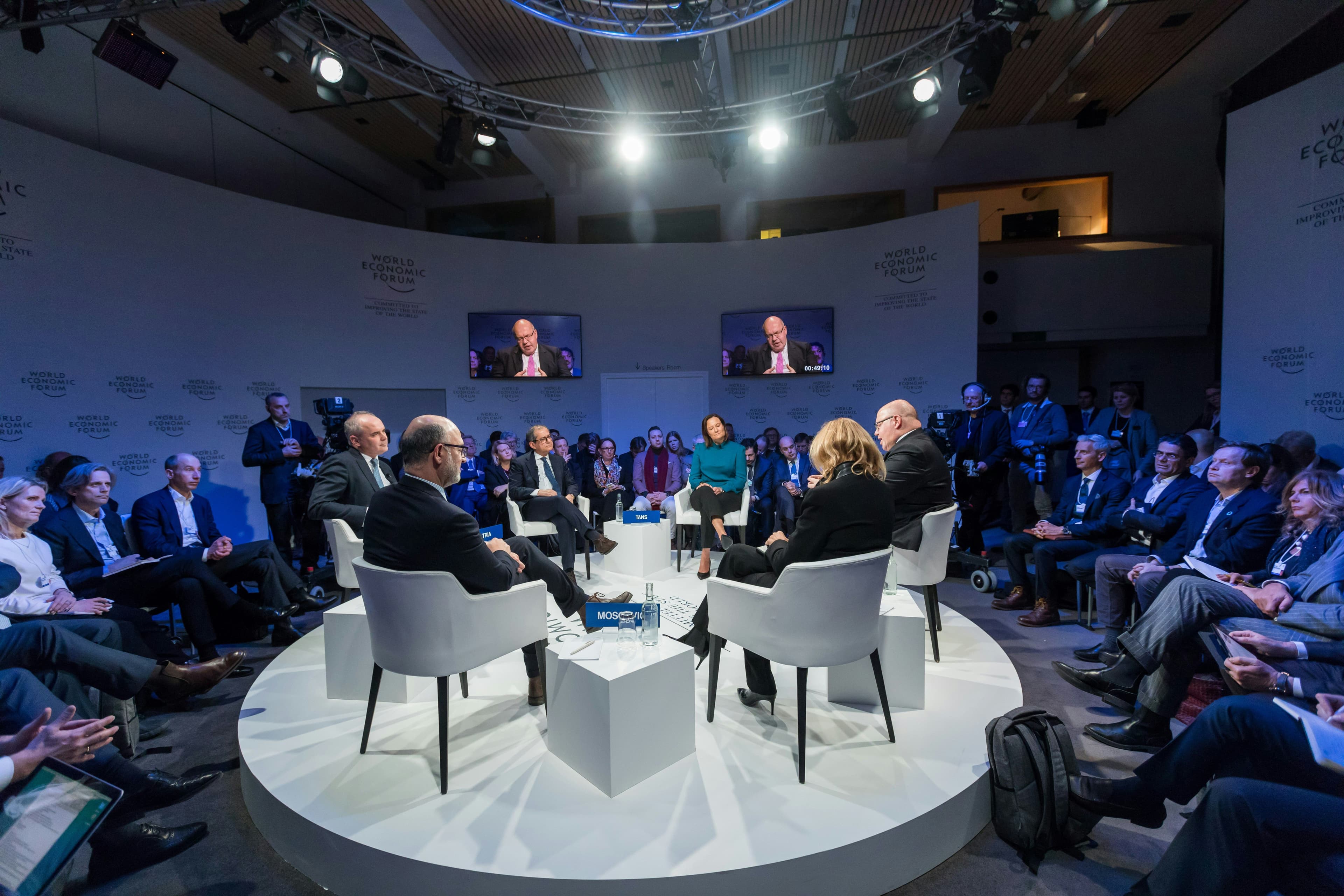
A Permanent Panel is a standing CCX working group convened every year, without exception, to examine a founding constitutional question in light of current events, new legal precedent, emerging technology, and the lived experience of our delegates and the Americans they represent.
Permanent Panels do not produce final answers. They produce the party's best current position — subject to revision the following year.
Each panel draws on elected CCX delegates representing all 50 states, subject matter experts including legal scholars, practitioners, historians, scientists, and ethicists, invited voices from affected communities, and public testimony submitted in advance through mesocrats.org.
Panel outputs inform Mesocratic platform positions, legislative priorities, and public communications for the following year.
Founding Permanent Panels
Three panels are established as founding commitments of the Mesocratic Party. They address the First Amendment, the Second Amendment, and the Fourth Amendment — three pillars of the Bill of Rights that define the relationship between citizens and state power, and that face the most acute pressure from the realities of 21st century life.
First Amendment: Free Expression
“Congress shall make no law abridging the freedom of speech, or of the press; or the right of the people peaceably to assemble.
The First Amendment was written to protect citizens from government suppression of speech. In 2026, the most consequential censorship in the United States is not being carried out by government — it was built and operated predominantly by left-aligned institutional actors through universities, corporate HR departments, technology platforms, and professional associations.
The panel examines what free expression means in this environment: the architecture of institutional speech suppression, platform power and Section 230, the right to criticize religion, and the structural distinction between democratic remedies and institutional capture that has no democratic fix.
Second Amendment: The Right to Bear Arms
“A well regulated Militia, being necessary to the security of a free State, the right of the people to keep and bear Arms, shall not be infringed.
Twenty-seven words. Decades of litigation. Thousands of lives lost annually to gun violence. Millions of law-abiding citizens whose right to self-defense is a fundamental expression of their liberty. No political party has handled this well. The Second Amendment panel does not approach this as a binary.
Fourth Amendment: Privacy and the Surveillance State
“The right of the people to be secure in their persons, houses, papers, and effects, against unreasonable searches and seizures, shall not be violated.
The founders worried about soldiers quartered in homes and papers seized without cause. They could not have imagined a world in which every American carries a tracking device, every purchase is logged, every communication is stored, and the government — and private corporations — can reconstruct the intimate details of a life without ever entering a home. The Fourth Amendment panel examines what privacy means in the age of mass surveillance.
Adding a New Permanent Panel
The three founding panels are established by the Mesocratic National Committee. Additional panels may be established by a vote of the full CCX delegate body at any annual convention. A proposal must identify a specific constitutional provision or foundational rights question, demonstrate relevance to the lived experience of a significant portion of the American public, be sponsored by delegates from a minimum of ten states, and pass by simple majority of the full delegate body in session. Once established, a Permanent Panel cannot be dissolved by anything less than a two-thirds supermajority vote of the full delegate body.
A Note on Intellectual Humility
The Mesocratic Party does not believe any political organization has final answers to these questions. Anyone who tells you they do is selling something. What we offer instead is a process: rigorous, annual, inclusive, and transparent. Our positions will evolve. When the evidence changes, we change with it. When our constituents demand a different direction, we follow.
THIS IS A LIVING PLATFORM
The position on this page is a starting point — not the final word. The Mesocratic Party's platform is written, debated, and ratified by its members at Constitutional Convention X, held annually in New Orleans every May. Between conventions, members shape the agenda through year-round digital engagement. These positions will evolve as the party grows. That's not a weakness. It's the whole point.